Tank Water Heater Installation in Scottsbluff, NE
A reliable tank water heater is the practical heart of your home — delivering hot water to every shower, sink, and appliance day after day, year after year.
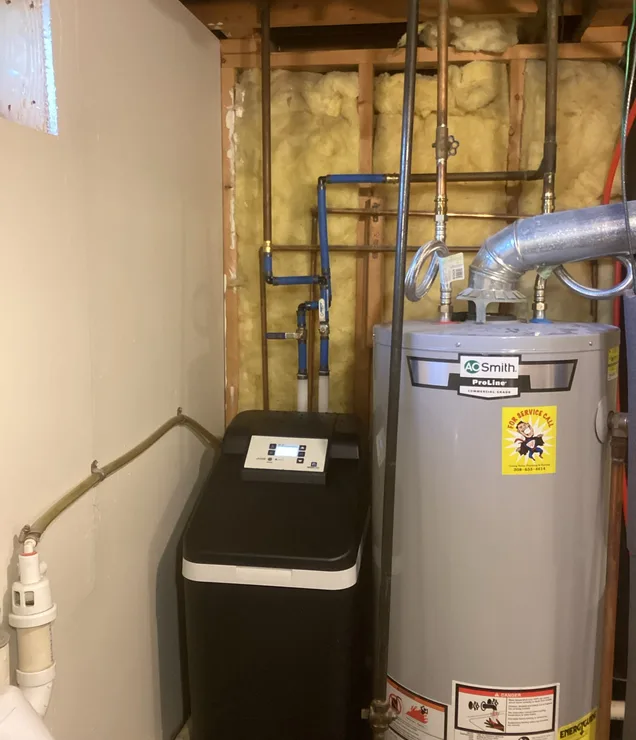
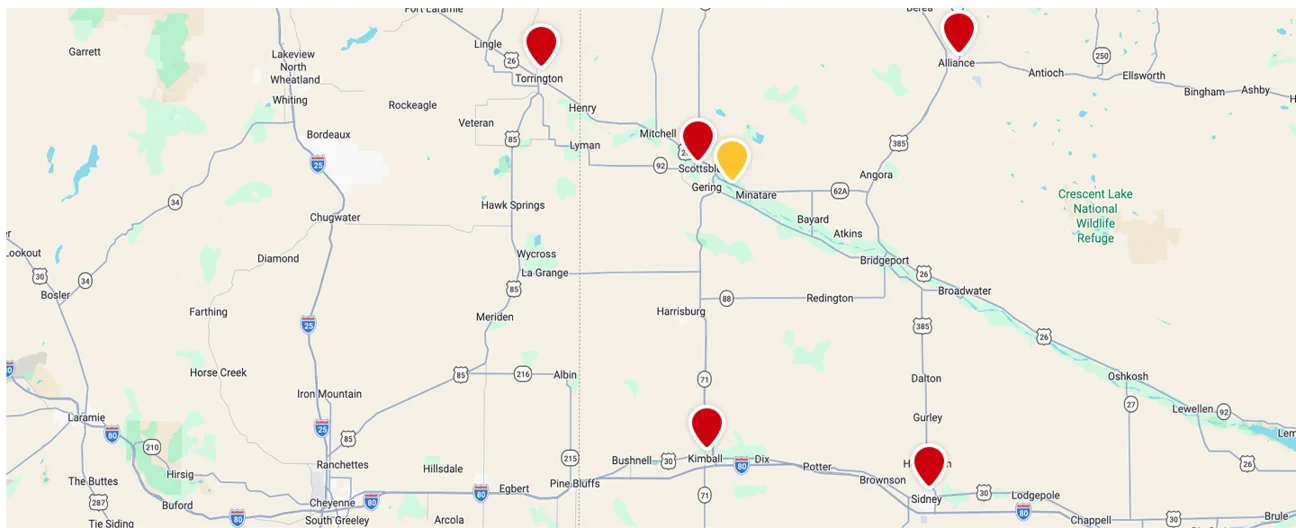
At Gering Valley Plumbing & Heating, we install traditional tank systems for homeowners across Gering, Scottsbluff, Sidney, Kimball, Alliance, and Torrington. Tank water heaters are straightforward, affordable, and proven: no complex venting, no fancy commissioning, no gas line upgrades for most homes. We handle everything from sizing the right capacity for your household, removing your old unit, installing the new one with proper connections and safety features, and ensuring it’s ready to deliver hot water the moment you turn on a tap.
Schedule your free tank water heater installation estimate or learn how tank and tankless systems compare.
Ready for a New Tank Water Heater?
Ready for a New Tank Water Heater?
We’ll assess your household’s hot water demand, recommend the right tank capacity, discuss available equipment options, and walk you through financing. Most estimates take 30 minutes. If you’re interested in ongoing protection, explore our maintenance plans before installation.
Why Scottsbluff Homeowners Choose Tank Water Heater Installation
Straightforward, Affordable, Proven Technology
Tank water heaters have been the standard for over 100 years — they work. No circuit boards to fail, no venting complications, no simultaneous-demand limitations. You fill a tank, heat the water with a burner or heating element, and draw hot water whenever you need it. For a family of four with moderate hot water habits, a 50- or 75-gallon tank meets virtually every daily need. Upfront costs are significantly lower than tankless systems, installation is straightforward, and replacement parts are cheap and widely available. When something goes wrong, a plumber can fix it quickly without specialized factory training.
Installation Doesn’t Require Major Home Modifications
Tank systems work with existing gas lines, existing venting (most reuse your current chimney or B-vent path), and don’t demand electrical upgrades. If you’re replacing an aging tank with a similar capacity, installation is often a single-day job: drain the old unit, disconnect the gas and water lines, haul it away, set the new one in place, reconnect everything, test for leaks, and you’re done. Compare this to tankless systems, which often require gas line upsizing, new venting materials, Category III stainless steel vent work, and electrical configuration. For homeowners who want minimal disruption and simple installation, tank is the clear choice.
Lower Upfront Cost, Predictable Replacement Timeline
Tank systems offer significantly lower upfront investment compared to tankless alternatives. Installation is straightforward without expensive structural modifications. If you’re on a fixed budget or prefer predictable, straightforward costs, a tank system wins. Most tanks last 8–12 years; you can plan for replacement when the time comes. Many homeowners find the simplicity and affordability outweigh the modest energy savings of more complex systems.
Right for Moderate to Average Hot Water Demand
A 40-gallon tank suits small households and light usage. A 50-gallon tank handles a family of three to four with typical morning and evening peak demands. A 75-gallon tank accommodates larger families or homes with multiple simultaneous draws (shower + laundry + dishwasher). Our technicians size your tank during the estimate based on your household size and usage habits. Unlike tankless systems, tanks provide a generous reserve of hot water so brief simultaneous demands don’t create temperature drops or flow restrictions.
Factory Warranties & Local Parts Availability
AO Smith, Rinnai, and other major brands back their tanks with 6–10-year warranties on the tank itself and shorter coverage on the burner or heating element. Parts are stocked by local plumbers and big-box supply houses, so if a valve, thermostat, or anode rod needs replacement, we can source it quickly and affordably. We’re factory-trained on AO Smith and Rinnai systems, so diagnosis and repair are fast and accurate.
Family-Owned Panhandle Expertise Since 1987
Forty years in Scottsbluff means we’ve installed hundreds of tank systems in homes just like yours — understanding what works in our regional climate, what common issues arise, and how to install them to last. Our team brings discipline and accountability to every job. Tank or tankless, we install with the same precision because reliability matters to every family in the Panhandle.
Signs It’s Time to Replace Your Tank Water Heater
Your Tank Is 10+ Years Old
Most tank water heaters last 8–12 years. If yours is approaching or past that range, it’s living on borrowed time. The anode rod — the sacrificial metal rod that protects the steel tank from rust — degrades over time. Once it’s gone, the tank begins corroding from the inside. Proactive replacement before failure prevents the mess and urgency of an emergency replacement.
Rusty or Discolored Hot Water
If your hot water runs brown, orange, or has a metallic taste, the tank is corroding internally. This is a sign the anode rod has failed and the steel tank is rusting. Once corrosion starts, it accelerates. Replacement is the only solution — a corroded tank cannot be repaired or cleaned.
Inconsistent Hot Water or Reduced Capacity
If you’re running out of hot water faster than you used to, or the water never gets as hot as it should, sediment buildup at the bottom of the tank is likely the culprit. Sediment insulates the water from the burner, reducing heating efficiency and effective tank capacity. Annual flushing prevents this; if it’s been years, replacement may be more cost-effective than repair.
Visible Leaks or Pooling Water Around the Tank
A leak from a connection fitting may be repairable. A leak from the tank body itself means the tank has rusted through — replacement is necessary. Tanks cannot be patched. If you see water pooling around the base of your water heater, call us immediately to assess whether it’s a connection issue or a tank failure.
Rumbling, Popping, or Banging Noises
Loud noises during heating cycles indicate heavy sediment buildup at the bottom of the tank. As the burner heats water trapped under the sediment layer, it creates steam pockets that pop and rumble. This reduces efficiency, stresses the tank, and accelerates wear. Annual flushing prevents this; if the noise is severe, the tank may be near end-of-life.
Frequent Repairs or Rising Energy Bills
If you’ve repaired your water heater multiple times in recent years, or your energy bills have risen without explanation, the tank is losing efficiency. Sediment buildup, a failing heating element, or a degraded burner all reduce efficiency and increase operating costs. At some point, continued repair costs more than replacement — we’ll help you evaluate the numbers.







Our Tank Water Heater Installation Process
The first step is understanding your hot water needs. Our technician asks: How many people live in your home? How many bathrooms? Do family members shower simultaneously during morning or evening peaks? Do you run laundry and dishwashing at the same time? Is anyone working from home or using the shower at unusual hours? Based on these questions and your home’s occupancy, we recommend the right tank capacity.
- Calculate your household’s peak simultaneous hot water demand (showers + laundry + dishwashing)
- Determine the right tank size: 40, 50, 60, 75, or 85 gallons
- Review fuel type (natural gas, propane, or electric) and efficiency ratings
- Discuss equipment options: standard, high-efficiency, or hybrid electric-heat-pump models
- Verify your existing gas line capacity or electrical panel capacity for new equipment
- Assess your current water quality (hardness, sediment) and recommend softening or filtration if needed
- Review estimated annual operating costs and equipment warranties
- Discuss financing options and current rebates
Once you’ve chosen your new tank and we’ve scheduled installation, our team arrives and carefully drains your old water heater — capturing the water safely so it doesn’t damage flooring or belongings. We then disconnect the gas or electrical supply, disconnect the water inlet and outlet lines, and safely remove the old unit. While the old unit is out, we inspect the location: floor condition, framing, clearance around the new unit, and any safety issues.
- Safely drain the old water heater into a drain or container
- Disconnect gas line or electrical connection
- Disconnect cold water inlet and hot water outlet lines
- Carefully remove the old unit without damaging surrounding structures or flooring
- Inspect the location for floor damage, clearance issues, or flooding risk
- Clean the location and prepare it for the new unit
- Verify that existing gas line or electrical service is adequate for the new unit
The new tank is positioned in the same location or a prepared spot nearby. We level it carefully so water and gas/electric systems function properly — many installation failures trace back to tanks that aren’t level. The cold water inlet line is connected with a shutoff valve at the inlet (for future maintenance) and a check valve to prevent back-flow. The hot water outlet line is connected with proper slope so the line drains when the system is shut off.
- Position the new tank level and secure it against shifting
- Install shutoff valves on both cold inlet and hot outlet lines for future access
- Connect the cold water inlet line with a check valve to prevent backflow
- Connect the hot water outlet line with proper pitch for drainage
- Install or verify the pressure-relief valve — a safety device that releases pressure if the tank overheats
- For gas units: connect the gas supply line with proper gauge tubing and shutoff valve
- For electric units: run electrical supply through a dedicated breaker to the thermostat
- Install the anode rod (sacrificial metal that corrodes to protect the tank from rust)
- Fill the tank slowly to purge air from the lines and prevent noise during first heating cycle
- Test all connections for leaks using appropriate detection methods
After all connections are in place, we fill the tank slowly and let the lines purge of air. We then test for leaks at every connection point — water connections, gas connections, and electrical connections. For gas units, we light the burner and verify it ignites properly, heats the water, and cycles off when the target temperature is reached. For electric units, we verify the heating element activates and the thermostat controls the temperature correctly.
- Fill the tank slowly to eliminate air pockets and prevent noise
- Test all water connections (inlet shutoff, outlet, relief valve) for leaks
- For gas units: light the burner, verify ignition, check flame quality, and test automatic shutoff
- For electric units: test the heating element and thermostat control operation
- Verify the thermostat setting (typically 120–130°F) and adjust to your preference
- Run the system through multiple heating cycles to confirm stable temperature
- Test hot water delivery at nearby sinks and showers to confirm proper heating
- Check that the venting path (for gas units) is clear and draft is proper
- Document all settings and test results for your records
Your new water heater is straightforward to operate, but we walk you through the basics so you understand how to use it safely and maintain it properly. We explain the thermostat controls, how to interpret status lights, emergency shutoff procedures, and maintenance needs. You’ll receive the owner’s manual, warranty documentation, our contact information, and an invitation to join our Superhero Maintenance Club for discounted annual service.
- Demonstrate the thermostat controls and how to adjust temperature
- Explain the pressure-relief valve and when it may activate (safety feature)
- Show you the location of shutoff valves (cold inlet and hot outlet) for future emergencies
- Discuss what to do if you notice reduced hot water, discolored water, or leaks
- Explain the anode rod’s role and typical replacement interval (5–10 years)
- Recommend annual flushing to remove sediment that reduces heating efficiency
- Discuss what’s covered under equipment warranty and our labor warranty
- Provide maintenance contact information and invite you to join our Superhero Maintenance Club
- Leave detailed documentation: owner’s manual, commissioning results, warranty information, and service contact
Tank Water Heater Options We Install
Standard Natural Gas Tank
The most common choice for Panhandle homes. Natural gas tanks heat water quickly, have excellent recovery rates, and cost less to operate than electric units. Available in 40–75 gallon capacities. Works with your existing gas line and B-vent or chimney venting in most cases. Straightforward installation, affordable upfront cost, and widely available replacement parts.
Get an EstimatePropane Tank Water Heater
For homes without natural gas service, propane tanks deliver the same fast heating and recovery rates as natural gas. We size the unit to your household demand and verify your propane supply line is adequate. Propane is cost-effective in the Panhandle and a strong alternative to electric heating for rural homes.
Get an EstimateElectric Tank Water Heater
Electric tanks are simple, reliable, and require no venting — ideal for locations where gas isn’t available or where venting is impractical. Heating is slower than gas, so we typically recommend 50–75 gallon capacity to ensure adequate reserve. Dedicated 240V circuit required. Lower installation complexity, no combustion risk.
Get an EstimateHigh-Efficiency Condensing Gas Tank
High-efficiency condensing tanks achieve 90%+ efficiency by capturing heat from exhaust gases that standard units vent away. Higher upfront cost, but energy savings recoup the difference within a few years for most homeowners. Requires a condensate drain for the acidic exhaust condensate. Ideal for homeowners who want long-term energy savings without switching to tankless.
Learn MoreAO Smith Signature Series
AO Smith is one of the most trusted names in water heating. Their Signature Series offers reliable performance, strong warranties (up to 12 years on the tank), and excellent parts availability. We’re factory-trained on AO Smith systems, so installation and future service are fast and accurate. Available in gas, propane, and electric configurations.
Schedule InstallationRinnai Tank Water Heater
Rinnai is known for quality construction and long service life. Their tank systems offer strong warranties and efficient operation. We’re factory-trained Rinnai partners, so we install and service these units with manufacturer-level expertise. Rinnai tanks are a solid choice for homeowners who want premium build quality in a traditional tank format.
Schedule Installation40-Gallon Replacement (Small Household)
A 40-gallon tank suits one or two people with sequential (not simultaneous) hot water use. If you’re replacing an existing 40-gallon unit in a small home or apartment, this is a straightforward swap. We drain the old unit, set the new one in place, reconnect gas and water lines, and test. Most 40-gallon replacements are completed in 2–3 hours.
Get an Estimate50–75 Gallon Family Installation
For families of three to five with typical morning and evening peak demands, a 50–75 gallon tank provides ample reserve. We size based on your household’s actual peak demand — not just headcount — to ensure you never run short. These larger units are our most common installation and are typically completed in a single day.
Get an EstimateOur Latest Offers & Promotions
Secure Peace of Mind
Free 10-yr Warranty
On Parts & Labor with your New HVAC System Installation
(308) 216-8927Exclusions Apply. Expiration of 12/31/26
Furnace Health Check for
$79
Includes professional system performance evaluation. Limited time special.
(308) 216-8927Exclusions May Apply Due to Mileage.
Expiration of 12/31/26
FREE ESTIMATE &
$100 OFF
Blown-In Attic Insulation
Limited time special.
(308) 216-8927Exclusions May Apply. Expiration of 12/31/26

SuperHero
Maintenance Club
Starting as low as $24.92/mo3 Months
Free
When you sign-up for our monthly maintenance membership
(308) 216-8927Expiration of 12/31/26
Members Only Special
Skip the Service Fee
Not a member of our Superhero Maintenance Club yet? Ask how to join today.
(308) 216-8927Expiration of 12/31/26
Financing Available Through Synchrony
A new HVAC system or major plumbing repair is a significant investment. Gering Valley Plumbing & Heating offers financing options through Synchrony — one of the nation’s leading consumer financing providers — so you can get the work done now and pay over time on terms that work for your budget.
What are the Benefits of Financing?


Synchrony provides trusted home improvement financing with promotional options and flexible plans. With millions of cardholders nationwide, Synchrony makes it easy to invest in your home’s comfort.

Service Finance offers flexible home improvement financing with competitive rates and promotional plans. Get the HVAC, plumbing, or roofing work you need done now — without putting it off.
Break up the cost of your new system into affordable monthly payments that fit your budget.
Choose a repayment plan that works for you, with multiple term lengths available through Synchrony.
Apply in minutes and get a decision fast so your project can move forward without delays.
Pay off your balance early without extra fees. We keep it simple.
Use financing for system replacements, new installations, and other big-ticket services.
Financing options designed to be accessible, with competitive rates for qualified applicants.
Our 10-Year Parts & Labor Warranty Has You Covered
We stand behind our work — and our equipment.
- 10-year parts & labor warranty on qualifying AirEase and Allied Air installations
- No hidden fees or extra charges — included free with your install
- Peace of mind from a team that’s been doing this since 1987
SuperHero
Maintenance Club
Starting as low as $24.92/moBenefits Include
- 15% Discounts on all Repairs under $500
- Members Only Specials
- Annual Inspections
- Prevention of Future Break Downs
- Extended System Lifespan
- Increased Performance & Energy Efficiency
Protect Your System. Prevent Breakdowns. Starting at $24.92/mo.
The Superhero Maintenance Club is Gering Valley Plumbing & Heating’s residential maintenance plan — designed to keep your heating and cooling systems running at peak performance year-round, starting as low as $24.92 per month.
Regular maintenance is the single most effective way to prevent breakdowns, extend system life, and keep your energy bills under control in the Nebraska Panhandle climate. Our technicians know these systems inside and out, and a routine visit can catch small issues before they become expensive repairs.
Hear From Our Customers
Customer Testimonials
All the technicians from Gering Valley Plumbing were very professional and courteous. After replacing my sewer line, they did a great job cleaning things up and making it look as it had before. I would recommend them to anyone.
Alex and Gianna with Gering Valley Plumbing and Heating came to our home and did a yoeman’s job of installing a new heat pump furnace and AC unit.
“I have been extremely pleased with my experience with Gering Valley from my initial appt, to installation, and finally to minor adjustments. Though Tristan has had to come back for minor adjustments, he has had an amazing attitude and seems excited to get our system working perfect. Those answering the phones at the office, we cannot forget them, Michael is great. Answering questions, getting appts done and simply being a great front person for the company. Andrew working the afterhours calls was very helpful with questions I had. Please let everyone that we sure appreciate a great system, more importantly the excellent customer service that’s sets them above anyone in the valley.”
Tank Water Heater Installation Service Areas
We install tank water heater systems throughout the Panhandle for residential customers seeking reliable, affordable hot water. Same-day estimates and expedited scheduling available — call us today at (308) 216-8927 or schedule online.
Our Primary Service Cities
Additional Communities We Serve
Don’t See Your Location?
Our service area continues to grow. If your community isn’t listed, give us a call — chances are we can help.
Water Heating & Related Plumbing Services
Tankless Water Heater Installation
On-demand hot water with energy savings, for homes with high hot water demand and budget for advanced technology.
Tankless InstallationWater Heater Repair & Service
Fast repair for both tank and tankless units, same-day response across the Panhandle.
Water Heater RepairWater Filtration & Softening
Hard water shortens tank lifespan and reduces heating efficiency; we offer whole-home softening and point-of-use filtration.
Water FiltrationDrain Cleaning Services
Keep your drains flowing freely alongside regular water heater maintenance.
Drain CleaningCommon Questions About Tank Water Heater Installation
Ready to Install a Reliable Tank Water Heater?
A tank water heater doesn’t need to be complicated. Choose the right capacity for your household, install it properly, maintain it annually, and you’ll get 8–12 years of reliable hot water for a fraction of what tankless systems cost upfront.
At Gering Valley Plumbing & Heating, we focus on getting the fundamentals right: sizing correctly so you never run out of hot water, installing per code so every connection is leak-free and safe, and commissioning so your system performs from day one. We’ve installed hundreds of tanks in Scottsbluff, Sidney, and across the Panhandle — understanding what works in our regional climate and what mistakes lead to early failures. When you choose Gering Valley, you’re getting a straightforward, professional installation backed by our 40-year reputation.
Our 1-year labor warranty means if our installation causes issues, we fix them. We’re also here for annual maintenance, fast repairs, and eventual replacement. When your current water heater ages, we’ll help you plan the next one.
Ready to get started? Request your free tank water heater installation estimate today. We’ll visit your home, assess your hot water demand, evaluate your location and utility connections, review equipment options and brands, and show you financing terms. Most estimates take 30 minutes, and you’ll leave knowing exactly what tank installation means for your home and budget.
Affordable, straightforward solution: Tank water heaters offer significantly lower upfront investment than tankless systems. No complex venting, no gas line upgrades needed for most homes, and replacement parts are cheap and widely available. For moderate hot water demand, tanks are the smart choice.
Maintenance matters: Join our Superhero Maintenance Club for included annual flushing and anode rod inspection. Annual maintenance costs less than an unplanned replacement and extends your tank’s lifespan by years.