Gas Piping Installation & Services in Scottsbluff & the Panhandle
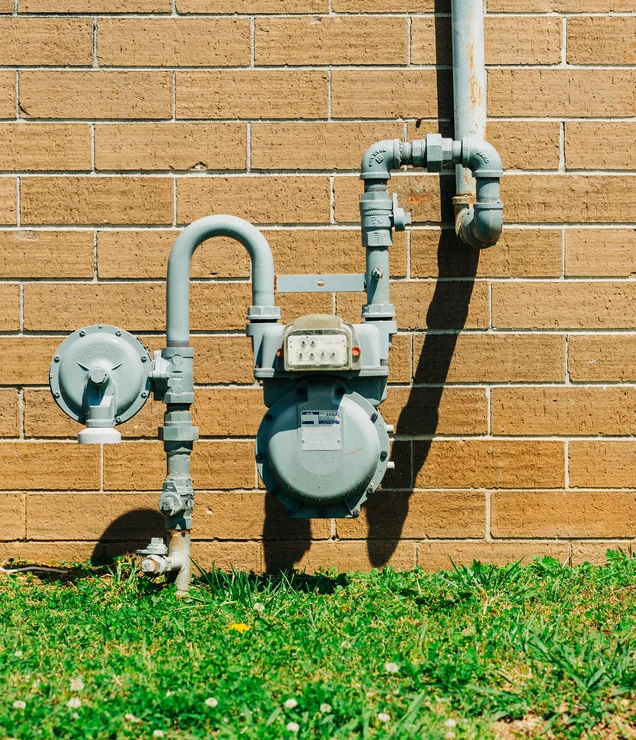
Natural gas appliances — your furnace, water heater, kitchen range, grill, and backup generator — depend on properly installed and maintained gas lines. A leaking or improperly sized gas line puts your family at risk and prevents appliances from operating efficiently.
Gering Valley Plumbing & Heating provides expert gas piping installation, repair, inspection, and maintenance across Gering, Scottsbluff, Sidney, Kimball, Alliance, and Torrington. Whether you’re adding a new gas appliance, replacing corroded pipe, or upgrading an old system, we ensure your gas lines are safe, code-compliant, and properly pressurized.
Request Gas Piping Service or Inspection
Gas Piping Problems? Professional Repair Starts with a Diagnosis
A smell of gas, a pilot light that won’t stay lit, or suspected corrosion in your gas lines demands professional attention. Don’t ignore gas issues — call us at (308) 216-8927 or submit our online form for an inspection. We’ll test for leaks, check pressure, and recommend repairs or upgrades to keep your appliances safe and efficient.
Related gas and plumbing services:
Why Panhandle Homeowners & Contractors Trust Gering Valley for Gas Work
Licensed Gas Fitter Expertise with Rigorous Safety Standards
Gas piping is regulated at state and local levels — improper installation creates safety hazards and code violations. Our technicians are trained and licensed for gas work, performing leak tests, pressure tests, and safety inspections on every installation and repair.
Proper Pipe Sizing Prevents Low Pressure and Appliance Failure
A gas line that’s too small starves appliances of fuel, causing pilot light failures, weak flames, or inefficient operation. We calculate required pipe size based on the appliance’s BTU demand, the length of the run from the meter, and your local supply pressure.
Leak Detection Finds Hidden Problems Before They Become Hazards
Gas leaks aren’t always visible or obvious — a slow leak through a corroded joint may not produce a strong smell immediately but creates a serious hazard over time. We use professional leak detection equipment to locate leaks homeowners might miss, and repair them immediately.
Safety and Transparency
Gas work involves real safety risks if done improperly. We explain what we’re doing, why it matters, and what the work will cost before we begin. Our standard is simple: keep your family safe and do the job right.
Common Questions About Gas Piping
Safe, Code-Compliant Gas Piping — Professional Installation & Repair
Gas safety is not negotiable. A properly installed and maintained gas system runs efficiently and keeps your family safe. If you need new gas piping for an appliance, suspect a leak, or want a safety inspection of your system, call Gering Valley Plumbing & Heating at (308) 216-8927.
Our licensed technicians will test your system, diagnose any issues, and recommend repairs or upgrades that meet code and protect your home. Whether it’s a simple fitting repair or a full system replacement, we deliver the professionalism and accountability you expect.